Why Your Home Contents Insurance will not Cover Items in Temporary Storage in South Africa
By Navigate Financial Services (Pty) Ltd
in South Africa, where burglaries and natural disasters like floods are all too common, home contents insurance is a lifeline for protecting your valuables. But what happens when you are renovating, relocating, or simply decluttering and move items to temporary storage? Many policyholders assume their coverage follows their belongings — only to face rejected claims and financial heartache. As we head into 2026, with rising storage usage amid urban moves (over 1 million South Africans relocate annually, per Stats SA), understanding this gap is crucial.
The Hidden Gap: Temporary Storage and Your Policy
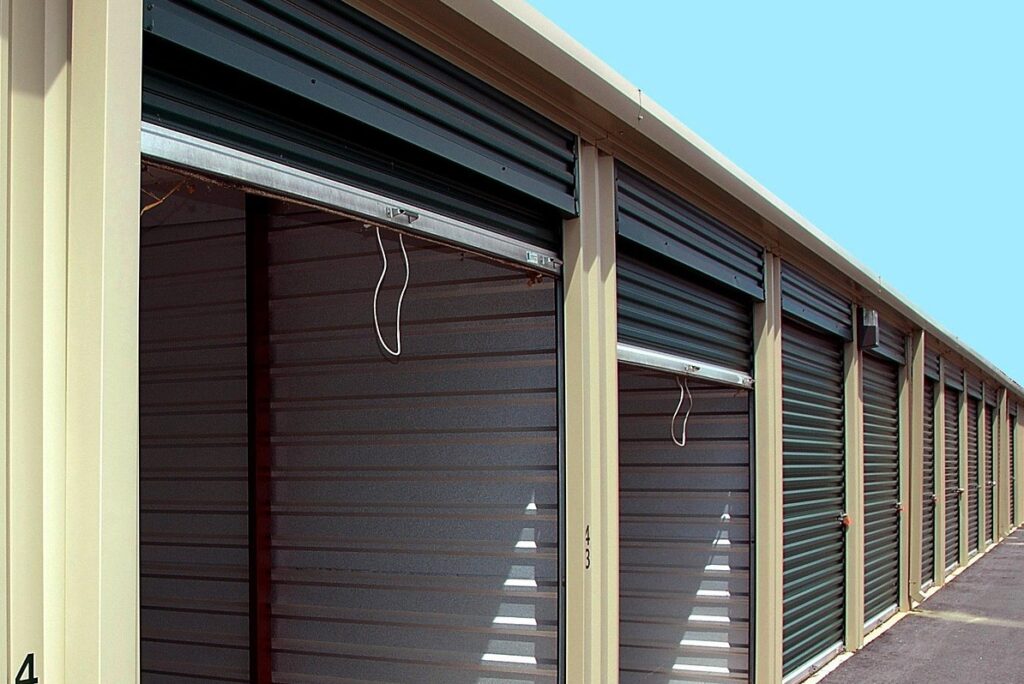
Standard home contents insurance in South Africa is designed for items at your primary residence. Policies from major insurers like Santam, OUTsurance, MiWay, Old Mutual, and King Price typically exclude or limit coverage for goods “away from the insured premises.” This means if your furniture, electronics, or appliances are in a storage unit, they are vulnerable to theft, fire, storm damage, or floods without automatic protection.
Why? Insurers view storage as higher risk—facilities often lack the security of a home, and items are unsupervised. According to the Financial Sector Conduct Authority (FSCA), underinsurance or non-disclosure leads to 1 in 4 claims being disputed.
Key Reasons Coverage Falls Short
1. Off-Premises Exclusion: Most policies cap “all risks” cover for items away from home at 10-20% of your total sum insured (e.g., R10,000-R50,000). Temporary storage often does not qualify without an extension.
2.No Automatic Transit or Storage Cover: During moves or renovations, standard policies might cover transit briefly, but not long-term storage. Facilities insure their buildings only—not your contents—as confirmed by providers like Cedar Storage.
3.Underinsurance Risks: Without an updated inventory, claims are prorated. FSCA rules require accurate valuations; inflation in 2025 (around 5%) means outdated lists lead to partial payouts.
Common scenarios: Renovations in Cape Town's wet winters or Johannesburg relocations expose goods to uncaptured risks.
What You Need to Do for Proper Coverage
To bridge this gap, act before storing:
– Notify Your Insurer: Contact them (or your broker) with the storage address, duration, and item values. They will amend your policy—often for a small premium hike (R50-R300 per month).
– Update Your Inventory: List items with replacement costs.
–Add Specialist Cover: Opt for “temporary removal” extensions or standalone storage insurance via Hollard or Guardrisk. Costs start at R100 per month for R100,000 value, covering fire, theft, and water damage.
Practical Tips for South Africans
Choose secure facilities: Look for SSA (Self Storage Association) members with CCTV and alarms—insurers often require this.
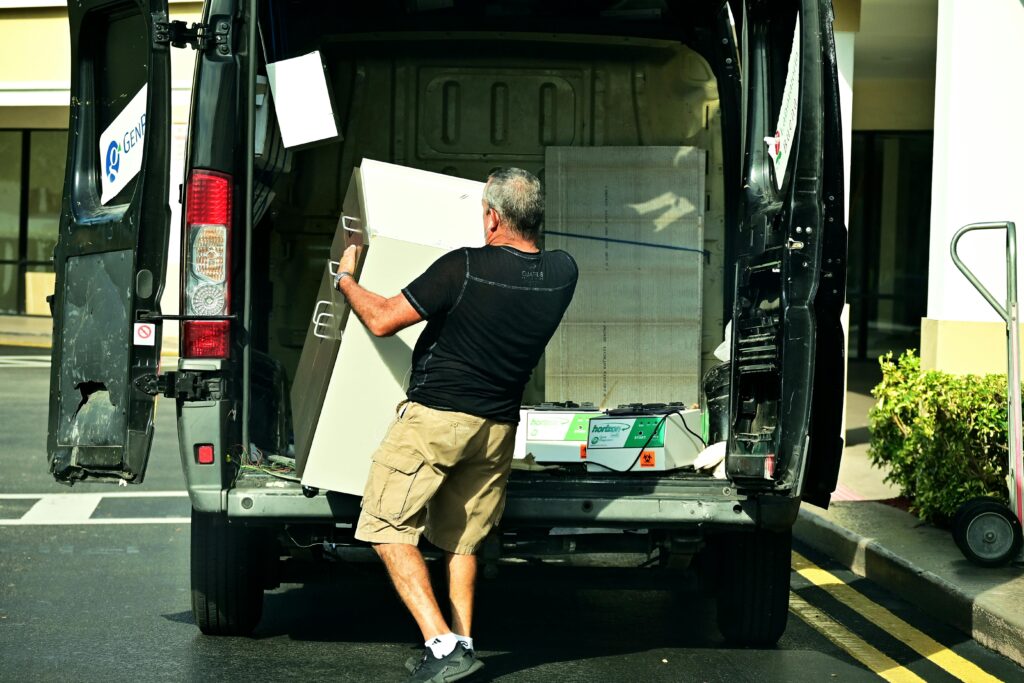
– During moves: Add transit insurance (e.g., via WiseMove) for the journey.
– Review Annually: With SA’s high crime rates (over 700,000 housebreakings in 2024/25, per SAPS), ensure your sum insured matches current values.
– Avoid DIY Storage: Garages or sheds rarely qualify; use commercial units.
Secure Your Belongings Today
Do not let temporary storage turn into permanent loss. At Navigate Financial Services, we have helped hundreds avoid these pitfalls with free policy reviews.
Contact Us For tailored advice on home contents insurance in storage